
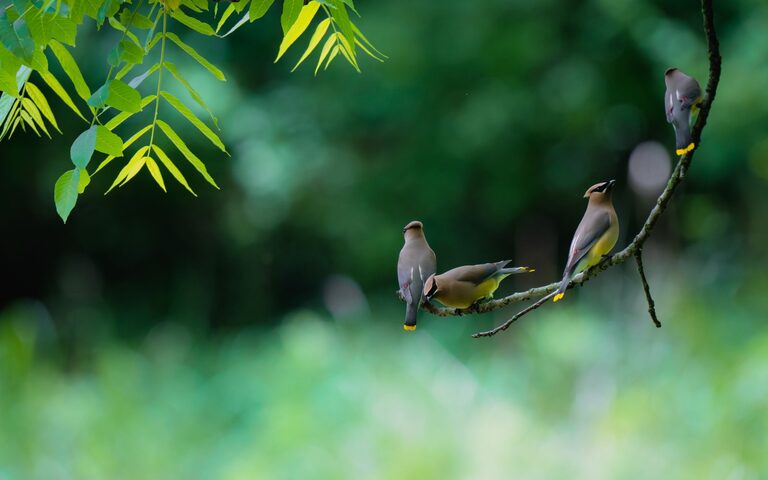
Birdwatching is a rewarding hobby that connects us with nature and adds a bit of wonder to our everyday lives. Even if you live in the city or have a small yard, you can enjoy watching birds right outside your window. This guide will help beginners get started with backyard birdwatching, offering practical tips to attract birds, identify common species, and make the experience enjoyable for all ages.
Why Backyard Birdwatching?
Birdwatching doesn’t require expensive equipment or special trips. It’s a peaceful activity that encourages mindfulness and patience. Plus, observing birds helps you better understand your local environment and can be a fun educational activity for kids and adults alike.
Getting Started: What You Need
1. A Good Pair of Binoculars (Optional but Helpful)
While you can watch birds with the naked eye, binoculars bring distant birds closer and reveal details that enhance your experience. Look for lightweight binoculars with a magnification of 6x to 8x for best results.
2. A Field Guide or Bird Identification App
A bird guide or app helps you identify birds by their color, size, shape, and calls. Many apps offer photos, sounds, and range maps that make identification easier. Some popular free apps include Merlin Bird ID and Audubon Bird Guide.
3. Notebook or Birdwatching Journal
Keep track of the species you see, the dates, and any interesting behaviors. This helps you notice patterns over time and makes your birdwatching more rewarding.
Attracting Birds to Your Backyard
Birds visit places that provide food, water, shelter, and safety. By creating a welcoming environment, you can encourage a variety of species to stop by.
1. Provide Food
– Bird Feeders: Use different types of feeders such as platform, tube, or suet feeders to attract a range of birds.
– Seeds: Black oil sunflower seeds are popular with many birds because of their high energy and thin shells.
– Suet: This fatty food is especially good for woodpeckers and nuthatches.
– Fruits and Nuts: Some birds enjoy pieces of apple, berries, or peanuts (unsalted and shelled).
2. Offer Fresh Water
Birdbaths or shallow dishes with clean water invite birds for drinking and bathing. Make sure to refresh the water regularly and clean the container to avoid algae or bacteria buildup.
3. Create Shelter and Nesting Spots
– Plant native shrubs, trees, and flowers to provide cover and natural food sources.
– Install birdhouses suitable for local species.
– Leave some leaf litter or brush piles where birds can hide and forage.
4. Avoid Chemicals
Pesticides and herbicides can harm birds and reduce the number of insects they feed on. Opt for natural gardening methods whenever possible.
Tips for Observing Birds
1. Be Patient and Quiet
Birds are easily startled by sudden movements and loud noises. Choose a comfortable spot, stay still, and speak softly.
2. Watch During Peak Activity Times
Birds are most active in the early morning and late afternoon. These times are best for spotting a variety of species.
3. Learn Bird Behavior and Calls
Understanding how birds move and what their calls sound like makes identification easier and your watching more engaging.
4. Use a Blind or Hide
If you want to observe birds up close without disturbing them, consider setting up a blind or using a natural cover like trees or shrubs.
Common Backyard Birds to Look For
Depending on your region, you may see some or all of these familiar species:
– American Robin: Recognizable by their orange chest and melodic song.
– Northern Cardinal: Bright red males and warm brown females with a distinctive crest.
– Blue Jay: Bold blue and white feathers with a noisy call.
– Chickadee: Small birds with black and white markings and a friendly demeanor.
– House Sparrow: Common in urban areas, often seen in small groups.
– Mourning Dove: Soft gray color with a gentle cooing sound.
By learning to identify a few common birds, you build confidence and start to notice the unique traits of each species.
Making Birdwatching a Habit
– Set aside regular time for birdwatching, even if it’s just 15 minutes a day.
– Encourage family members or friends to join you; it can become a shared hobby.
– Join local birdwatching groups or online communities to learn more and share your sightings.
– Take photos or sketch birds to document your experiences.
Conclusion
Backyard birdwatching is a simple, relaxing way to enjoy the outdoors and appreciate the wildlife around you. By attracting birds with food and water, learning how to observe them respectfully, and identifying common species, you’ll find yourself looking forward to quiet moments outside. Remember, patience and curiosity are your best tools as a beginner birdwatcher. So grab your binoculars or simply open your window, and start discovering the fascinating world of birds in your own backyard!